no_nothing@lemmy.world to Memes@lemmy.ml · 1 year agowe did what we had to dolemmy.worldexternal-linkmessage-square26linkfedilinkarrow-up1355arrow-down18
arrow-up1347arrow-down1external-linkwe did what we had to dolemmy.worldno_nothing@lemmy.world to Memes@lemmy.ml · 1 year agomessage-square26linkfedilink
minus-squareRose Thorne(She/Her)@lemm.eelinkfedilinkarrow-up8·1 year agoYes, it was! In fact, this wasn’t uncommon! Several early PC titles would ask you questions and point you to the page in the manual. Another one was Code Rings, cardboard discs you had to align words/symbols on to get the code to play the game. If you lost your manual/ring, or bought a second hand copy without one, you were absolutely fucked on playing your game.
minus-squareerrer@lemmy.worldlinkfedilinkEnglisharrow-up6·1 year agoIt’s a form of two factor authentication if you think about it
minus-squareflambonkscious@sh.itjust.workslinkfedilinkEnglisharrow-up1·1 year agoIf only my corpo MFA was this cool Actually, hell no - they’d probably use their acceptable computer use policy as the source document or something equally lame


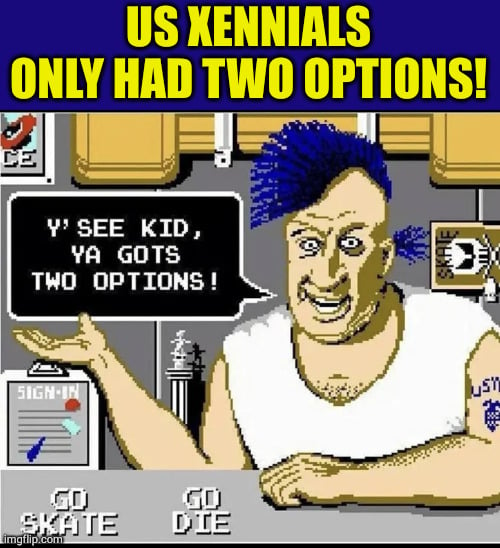
Or early copy protection
Yes, it was! In fact, this wasn’t uncommon! Several early PC titles would ask you questions and point you to the page in the manual.
Another one was Code Rings, cardboard discs you had to align words/symbols on to get the code to play the game.
If you lost your manual/ring, or bought a second hand copy without one, you were absolutely fucked on playing your game.
It’s a form of two factor authentication if you think about it
If only my corpo MFA was this cool
Actually, hell no - they’d probably use their acceptable computer use policy as the source document or something equally lame
yeah that’s more likely